When you buy through links on our site, we may receive an affiliate commission terms and conditions.
In the realm of health and wellness, the ketogenic (keto) diet and intermittent fasting have surged in popularity, captivating the attention of individuals seeking effective ways to improve their well-being and manage weight. While each approach offers unique benefits independently, combining the two can create a potent synergy, unlocking even more remarkable results. Let’s dive deeper into the world of keto dieting and intermittent fasting, exploring what they entail and how they can work together to transform your health.
Understanding the Keto Diet
The ketogenic diet revolves around drastically reducing carbohydrate intake while increasing the consumption of healthy fats and moderate protein. This dietary approach aims to shift the body’s primary fuel source from carbohydrates to fats, inducing a metabolic state known as ketosis. In ketosis, the body produces ketones from fat stores, which serve as an alternative energy source for cells.
What to Eat on Keto:
One of the critical aspects of the ketogenic diet is understanding what foods to include and which ones to avoid. Here’s a breakdown:
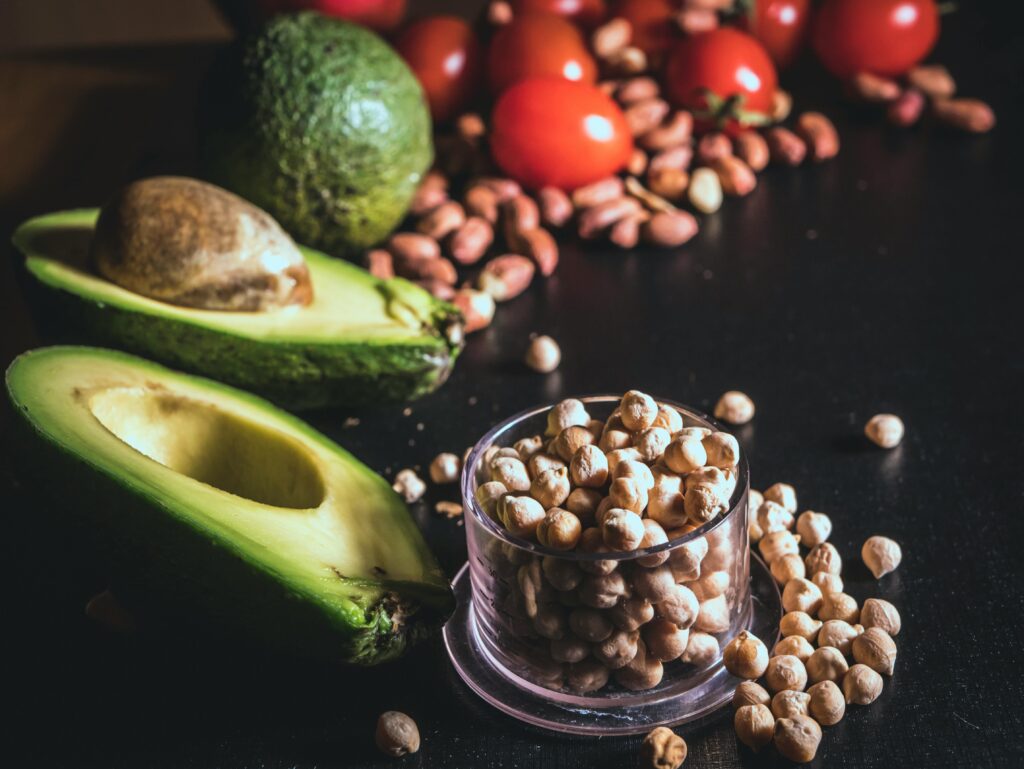
- Healthy Fats: Avocados, nuts, seeds, olive oil, coconut oil, butter, and fatty fish are staples of the ketogenic diet. These fats provide the necessary energy to fuel your body and keep you feeling full and satisfied.
- Low-carb Vegetables: Leafy greens like spinach, kale, and Swiss chard, along with cruciferous vegetables such as broccoli, cauliflower, and Brussels sprouts, are rich in fiber and essential nutrients while being low in carbohydrates.
- Moderate Protein: While protein is a vital component of any diet, it’s essential to consume it in moderation on the keto diet to avoid excess gluconeogenesis, a process where the body converts protein into glucose. Opt for sources like chicken, turkey, beef, eggs, and tofu.
- Avoid: Sugary foods, grains, starchy vegetables, and most fruits should be avoided or limited on the keto diet. These foods can spike blood sugar levels and inhibit ketosis.
The Benefits of Keto:
- Weight Loss: One of the primary reasons people adopt the ketogenic diet is for weight loss. By restricting carbohydrates and increasing fat intake, the body shifts into a state of ketosis, where it burns fat for fuel, leading to accelerated fat loss.
- Improved Energy Levels: Stable blood sugar levels and a consistent supply of energy from fat can lead to sustained energy levels throughout the day. Many people report feeling more energized and mentally sharp on the ketogenic diet.
- Enhanced Mental Clarity: Some individuals experience improved cognitive function and mental clarity while following a ketogenic diet. The steady supply of ketones to the brain may contribute to enhanced focus and concentration.
- Better Blood Sugar Control: For individuals with type 2 diabetes or insulin resistance, the ketogenic diet may help improve blood sugar control by reducing insulin levels and promoting insulin sensitivity.
>>Get Your Very Own Customized Keto Diet Plan Today<<
What is Intermittent Fasting?
Intermittent fasting (IF) is an eating pattern that alternates between periods of eating and fasting. Unlike traditional diets that focus on what foods to eat, intermittent fasting is more concerned with when to eat. There are several methods of intermittent fasting, but the most common ones include the 16/8 method (fasting for 16 hours and eating within an 8-hour window) and the 5:2 method (eating normally for five days and significantly reducing calorie intake for two non-consecutive days).
How Intermittent Fasting Works:
Intermittent fasting works by leveraging the body’s natural ability to switch between fed and fasted states. When you fast, especially for extended periods, your body taps into stored fat for energy, leading to weight loss. Additionally, fasting triggers cellular repair processes and increases the production of human growth hormone, which is essential for muscle growth and fat loss.

The Synergy of Keto and Intermittent Fasting:
When combined, the keto diet and intermittent fasting can amplify their individual benefits, leading to accelerated weight loss and improved overall health.
- Enhanced Fat Burning: By limiting carbohydrate intake and fasting, you keep insulin levels low, which facilitates fat burning and accelerates ketosis. This combination promotes the body’s ability to burn stored fat for fuel, leading to more significant weight loss results.
- Increased Autophagy: Autophagy is a cellular repair process that removes damaged components and promotes cellular rejuvenation. Fasting is known to stimulate autophagy, and when combined with the ketogenic diet, the effects may be enhanced, leading to improved cellular health and longevity.
- Improved Satiety: The high-fat content of the ketogenic diet and the appetite-regulating effects of fasting can help control hunger and reduce overall calorie intake. By feeling more satiated on the keto diet, individuals may find it easier to adhere to their fasting schedule, leading to better compliance and more significant results.
- Stable Energy Levels: With both the keto diet and intermittent fasting, individuals can experience stable energy levels throughout the day. By relying on fat for fuel instead of carbohydrates, energy levels remain consistent, minimizing energy crashes and enhancing productivity and focus.

Tips for Success:
Successfully implementing a combination of the keto diet and intermittent fasting requires careful planning and consideration. Here are some tips to help you succeed:
- Stay Hydrated: Drink plenty of water during fasting periods to stay hydrated and curb hunger. Herbal teas and black coffee are also acceptable options.
- Listen to Your Body: Pay attention to your body’s signals and adjust your fasting and eating windows accordingly. It’s essential to find a schedule that works for you and fits into your lifestyle.
- Focus on Nutrient Density: Choose nutrient-dense foods to ensure you’re getting essential vitamins and minerals while on the ketogenic diet. Incorporate a variety of colorful vegetables, healthy fats, and high-quality protein sources into your meals.
- Be Patient: Allow your body time to adapt to the changes, especially when transitioning into ketosis or adjusting to fasting periods. Results may not happen overnight, but with consistency and dedication, you can achieve your health and weight loss goals.
Potential Drawbacks:
While the keto diet and intermittent fasting offer numerous benefits, they may not be suitable for everyone. Some potential drawbacks include:
- Initial Side Effects: Some people may experience side effects such as fatigue, headaches, or dizziness when first starting the keto diet or intermittent fasting. These symptoms are often temporary and typically subside as the body adjusts to the new eating pattern.
- Social Challenges: Dining out or attending social gatherings may pose challenges when following strict dietary protocols. Planning ahead and communicating your dietary needs with friends and family can help navigate these situations and ensure compliance with your plan.
- Nutrient Deficiencies: Without careful planning, it’s possible to miss out on essential nutrients while following the keto diet or intermittent fasting. It’s essential to incorporate a variety of foods into your diet and possibly supplement with vitamins or minerals to ensure you’re meeting your nutritional needs.
Conclusion:
>>Get Your Very Own Customized Keto Diet Plan Today<<
The combination of the keto diet with intermittent fasting offers a powerful strategy for weight loss, improved metabolic health, and enhanced well-being. By synergizing the benefits of both approaches, you can unlock your body’s full potential and embark on a journey towards a healthier, happier you. Remember to consult with a healthcare professional before making any significant dietary changes, especially if you have underlying health conditions or concerns. With dedication, patience, and proper guidance, you can harness the transformative power of keto and intermittent fasting to achieve your health goals.