When you buy through links on our site, we may receive an affiliate commission terms and conditions.
The ketogenic diet, or keto diet, has gained immense popularity over the last decade due to its potential health benefits, particularly for weight loss and improving metabolic health. At its core, the keto diet is a low-carbohydrate, high-fat eating plan that aims to transition the body into a state called ketosis. In this state, the body burns fat for energy instead of carbohydrates, leading to fat loss and improved energy levels.
If you’re thinking about starting the keto diet or simply want to understand its fundamentals, this guide will cover everything you need to know about keto diet essentials, from the basic principles to food choices, tips for success, and common pitfalls to avoid.
1. Understanding the Keto Diet
The keto diet is fundamentally different from most mainstream diets because it flips the macronutrient ratio on its head. Instead of relying on carbohydrates for energy, the keto diet encourages fats as the primary fuel source, with minimal carbohydrates and moderate protein.
- Carbohydrates: Typically, the average person consumes 45-65% of their daily calories from carbohydrates. However, in the keto diet, carbs are reduced to just 5-10% of daily intake, or around 20-50 grams per day.
- Fat: The keto diet focuses on fats as the main source of energy, making up 70-80% of daily caloric intake.
- Protein: Protein is kept moderate, usually around 10-20% of total calories, as excessive protein can interfere with ketosis.
The goal of this macronutrient ratio is to shift the body into ketosis, where it primarily uses ketones, a byproduct of fat metabolism, as fuel instead of glucose from carbs.
2. What is Ketosis?
Ketosis is a metabolic state that occurs when the body doesn’t have enough carbohydrates to burn for energy, so it switches to burning fat instead. When fat is broken down, the liver produces ketones, which then become the body’s primary energy source.
Ketosis can be achieved by:
- Severely limiting carbohydrate intake: By keeping carbs low, you deplete the body’s glycogen stores (the stored form of carbs), pushing the body to burn fat.
- Increasing fat intake: This provides the body with a sustainable fuel source in the absence of carbs.
- Moderate protein consumption: Too much protein can be converted to glucose via a process called gluconeogenesis, which may kick you out of ketosis.
3. Benefits of the Keto Diet
The keto diet offers a range of potential health benefits beyond weight loss:
a. Weight Loss
Since the body uses fat for energy, ketosis can lead to significant fat loss over time. Many people experience rapid initial weight loss due to water weight, followed by steady fat loss.
b. Increased Energy and Mental Clarity
Once the body adjusts to burning fat for fuel, many people report increased energy levels and better mental clarity. Ketones are a more stable energy source than glucose, which can cause energy dips.
c. Appetite Control
The high-fat content of the keto diet tends to be more satisfying, reducing hunger and cravings. This makes it easier to adhere to a calorie deficit if weight loss is the goal.
d. Improved Blood Sugar Control
By reducing carbohydrate intake, the keto diet can stabilize blood sugar levels, making it beneficial for people with type 2 diabetes or insulin resistance.
e. Better Heart Health
Though the diet is high in fat, many studies suggest that it can improve cholesterol levels by increasing HDL (good) cholesterol and reducing triglycerides, both of which are markers of heart health.
>>Get Your Very Own Customized Keto Diet Plan Today<<
4. Essential Foods on the Keto Diet
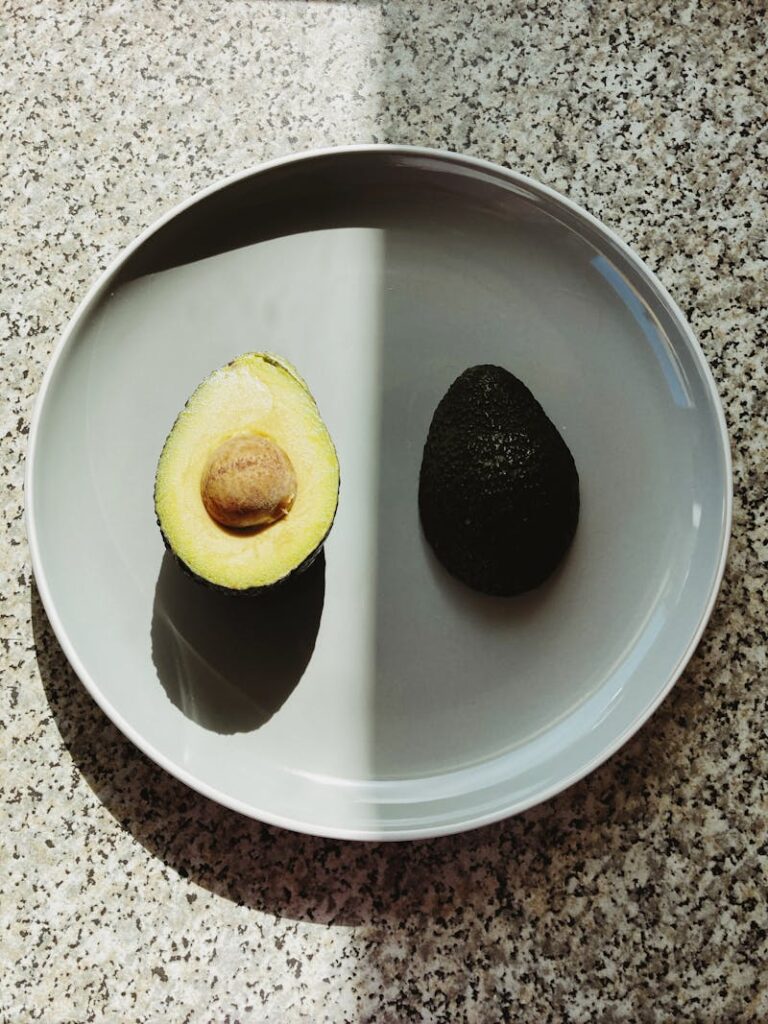
To thrive on the keto diet, you’ll need to fill your plate with the right foods. Here’s a breakdown of essential keto-friendly food groups:
a. Healthy Fats
Healthy fats are the cornerstone of the keto diet. These should make up the majority of your caloric intake:
- Oils: Coconut oil, olive oil, avocado oil, MCT oil, and ghee are great sources of healthy fats.
- Avocados: Avocados are rich in monounsaturated fats and fiber.
- Nuts and Seeds: Almonds, walnuts, chia seeds, and flaxseeds are packed with healthy fats and minimal carbs.
- Fatty Fish: Salmon, mackerel, sardines, and tuna are excellent sources of omega-3 fatty acids.
- Cheese and Dairy: Full-fat cheese, butter, and heavy cream are keto-friendly but should be consumed in moderation.
b. Low-Carb Vegetables
Although the keto diet restricts carbs, non-starchy vegetables are crucial for providing vitamins, minerals, and fiber:
- Leafy Greens: Spinach, kale, Swiss chard, and arugula are low in carbs and high in nutrients.
- Cruciferous Vegetables: Broccoli, cauliflower, and Brussels sprouts are fiber-rich and low in carbs.
- Zucchini and Eggplant: Both are versatile and can be used in many keto recipes.
- Bell Peppers and Tomatoes: These are keto-friendly in moderation, offering color and flavor to dishes.
c. Protein Sources
While protein should be consumed in moderation, it remains an important part of the keto diet. The key is to focus on quality, whole-food sources:
- Meat: Beef, pork, lamb, and poultry are staples, but opt for fattier cuts when possible.
- Eggs: Eggs are a keto superstar, providing a complete protein source with healthy fats.
- Fish and Seafood: In addition to fatty fish, shellfish like shrimp, crab, and lobster are keto-friendly.
- Plant-Based Proteins: While trickier on keto, plant-based proteins like tofu and tempeh can work if paired with enough fats.
d. Low-Sugar Fruits
Most fruits are too high in carbs for the keto diet, but some lower-sugar options are allowed in small amounts:
- Berries: Strawberries, blueberries, raspberries, and blackberries can be enjoyed in moderation.
- Lemons and Limes: These can be used to add flavor without adding many carbs.
e. Nuts and Seeds
Nuts and seeds offer healthy fats and fiber, making them an excellent snack or salad topping:
- Almonds, Macadamias, Pecans: These are lower in carbs compared to other nuts.
- Chia and Flaxseeds: These seeds are high in fiber and offer a small amount of carbs.
5. What to Avoid on the Keto Diet
For keto to be effective, you need to significantly limit certain foods:
a. High-Carb Foods
These are the primary foods to avoid:
- Bread, Pasta, Rice, and Grains: These are carbohydrate-dense foods that should be avoided entirely.
- Sugary Foods: Candies, cakes, cookies, and most desserts are off-limits due to their high sugar content.
- Starchy Vegetables: Potatoes, sweet potatoes, corn, and peas are too high in carbs for keto.
- Fruits: Aside from berries, most fruits, including bananas, apples, and oranges, are too high in sugar.
b. Unhealthy Fats
While the keto diet is high in fat, not all fats are created equal. You should avoid:
- Trans Fats: These are found in processed foods like margarine, some fast food, and baked goods. They can increase the risk of heart disease.
- Highly Processed Oils: Avoid oils like soybean oil, corn oil, and other hydrogenated oils that may cause inflammation.
c. Alcohol
Most alcoholic beverages contain a lot of sugar or carbs, which can quickly kick you out of ketosis. If you want to drink occasionally, stick to low-carb options like dry wine or spirits mixed with zero-carb mixers.
6. Tips for Keto Success
Starting the keto diet can feel overwhelming at first, but with the right strategies, you can set yourself up for success:
a. Plan Your Meals
Meal planning is crucial on keto. Having keto-friendly meals and snacks on hand can prevent you from grabbing high-carb alternatives when hunger strikes.
b. Stay Hydrated
When starting keto, you may lose water weight, which can lead to dehydration. Ensure you’re drinking enough water and replenish electrolytes with foods like avocados and leafy greens, or consider electrolyte supplements.
c. Get Enough Electrolytes
Electrolyte imbalances are common in the early stages of keto, which can lead to the “keto flu” (symptoms like headache, fatigue, and muscle cramps). Boost your intake of sodium, potassium, and magnesium through food or supplements.
d. Practice Patience
It can take a few days to a week to enter ketosis, and during this transition period, you might feel sluggish or experience brain fog. This is temporary, and once your body adapts to burning fat, your energy levels will improve.
e. Monitor Your Macros
Use an app or tracker to ensure you’re sticking to the right macronutrient ratio of fats, proteins, and carbs. This will help keep you in ketosis and achieve your goals.
7. Common Mistakes to Avoid on Keto

Even with the best intentions, it’s easy to make mistakes on keto. Here are some pitfalls to avoid:
a. Eating Too Much Protein
While protein is important, too much can prevent you from entering ketosis. Stick to moderate amounts, and prioritize fats instead.
b. Neglecting Vegetables
Some people cut out all carbs, including vegetables, which can lead to nutrient deficiencies and constipation. Be sure to include plenty of low-carb veggies in your meals.
c. Overeating Processed Keto Foods
Many pre-packaged “keto-friendly” snacks are available, but these can be high in unhealthy fats and artificial ingredients. It’s better to focus on whole, unprocessed foods.
d. Not Getting Enough Fiber
With reduced carbohydrate intake, it’s easy to miss out on fiber, which can lead to digestive issues. Incorporate fiber-rich foods like leafy greens, flaxseeds, and chia seeds.
8. The Importance of Testing for Ketosis
To ensure you’re staying in ketosis, you can monitor your ketone levels in a few ways:
- Urine Strips: These are the most affordable option, though they may become less accurate over time.
- Blood Ketone Meters: These are more reliable but require blood samples, similar to a glucose meter.
- Breath Meters: These devices measure ketones in your breath and are reusable.
Testing for ketosis can help you fine-tune your diet and ensure you’re on the right track.
9. Conclusion: Is the Keto Diet Right for You?
>>Get Your Very Own Customized Keto Diet Plan Today<<
The keto diet offers numerous potential benefits, from weight loss and improved energy to better blood sugar control. However, it may not be suitable for everyone, especially those with certain medical conditions like type 1 diabetes or kidney issues. Before starting the keto diet, it’s always a good idea to consult with a healthcare professional to ensure it’s the right fit for your health goals.
By understanding the essentials of the keto diet and following a balanced approach, you can experience its benefits and make it a sustainable lifestyle change. Remember, consistency is key, and with time, you’ll likely see the results you’re aiming for!
>>Keto Diet For Vegetarians <<