When you buy through links on our site, we may receive an affiliate commission terms and conditions.
In recent years, the ketogenic diet, commonly referred to as “keto,” has gained popularity not just for weight loss, but for its potential health benefits, including impacts on fertility. This diet involves drastically reducing carbohydrate intake while increasing fat consumption, leading the body into a state of ketosis, where it burns fat for energy. This article explores how the keto diet may influence fertility, addressing both the benefits and potential concerns.
>>Get Your Very Own Customized Keto Diet Plan Today<<
Understanding the Keto Diet
The ketogenic diet is characterized by a high-fat, moderate-protein, and very low-carbohydrate intake. Typically, the diet consists of:
- Fat: 70-80%
- Protein: 20-25%
- Carbohydrates: 5-10%
This macronutrient distribution aims to shift the body’s metabolism from burning glucose (derived from carbohydrates) to burning fat, a state known as ketosis. Ketosis is thought to offer various health benefits, including improved mental clarity, weight loss, and enhanced energy levels.
The Connection Between Diet and Fertility
Fertility can be influenced by various factors, including diet, lifestyle, and overall health. Several mechanisms suggest that diet can play a significant role in reproductive health:
- Hormonal Balance: Proper nutrition supports the production and regulation of hormones involved in reproduction.
- Weight Management: Maintaining a healthy weight can prevent conditions like polycystic ovary syndrome (PCOS), which can affect fertility.
- Inflammation Reduction: Certain diets can reduce inflammation, which is linked to various reproductive issues.
How the Keto Diet May Affect Fertility
1. Weight Loss and Insulin Sensitivity
Many people turn to the keto diet for weight loss, which can be beneficial for fertility. Excess body fat is associated with hormonal imbalances and conditions like PCOS. By promoting weight loss, the keto diet can help normalize menstrual cycles and improve ovulation.
Furthermore, the keto diet has been shown to improve insulin sensitivity. Insulin resistance is a common issue in women with PCOS, and improving insulin sensitivity can enhance fertility by restoring normal ovulation patterns.
2. Hormonal Regulation
The keto diet may support hormonal balance in several ways:
- Reduction in Androgen Levels: Women with PCOS often have elevated androgen levels, which can disrupt ovulation. The keto diet has been shown to lower these levels, potentially improving fertility.
- Improved Luteinizing Hormone (LH) and Follicle-Stimulating Hormone (FSH) Ratios: A better balance of these hormones can promote regular ovulation and increase the chances of conception.
3. Anti-Inflammatory Effects
Inflammation can interfere with ovulation and implantation of the embryo. The keto diet’s emphasis on healthy fats, like omega-3 fatty acids found in fish and flaxseed, may help reduce inflammation, thereby supporting a healthy reproductive system.
Scientific Evidence on Keto and Fertility
1. Studies on Weight Loss and Fertility
Research has demonstrated that weight loss in overweight and obese women can improve fertility outcomes. For example, a study published in the journal Obesity found that a significant weight loss improved reproductive outcomes in obese women undergoing fertility treatment . The keto diet, being effective for weight loss, could provide similar benefits.
2. PCOS and Keto
A 2005 pilot study explored the effects of a low-carbohydrate ketogenic diet in women with PCOS. The results showed a significant reduction in body weight, free testosterone levels, and fasting insulin levels after 24 weeks. Additionally, two participants became pregnant during the study despite previous infertility issues .
3. General Fertility Studies
While there is less direct research on the keto diet and fertility in the general population, studies have consistently shown that low-carbohydrate diets can positively influence fertility markers, such as hormone levels and ovulation frequency.
Potential Concerns and Risks
1. Nutrient Deficiencies
The restrictive nature of the keto diet can sometimes lead to deficiencies in certain nutrients that are crucial for reproductive health, such as folate, iron, and vitamins B12 and D. These deficiencies can impact fertility, so it’s essential to plan the diet carefully or consider supplementation.
2. Short-Term Side Effects
Initial side effects of the keto diet, often referred to as the “keto flu,” include fatigue, headaches, and irritability. These symptoms are usually temporary but can be uncomfortable.
3. Long-Term Sustainability
Maintaining a strict keto diet can be challenging in the long term, potentially leading to difficulties in adhering to the diet and sustaining its benefits. Moreover, the long-term effects of keto on fertility and overall health are not well studied, making it crucial to approach this diet with caution and possibly under medical supervision.
Practical Tips for Following a Keto Diet for Fertility

If you’re considering the keto diet to support your fertility, here are some practical tips to help you get started:
1. Focus on Whole Foods
Prioritize whole, nutrient-dense foods such as:
- Leafy greens: Spinach, kale, and Swiss chard.
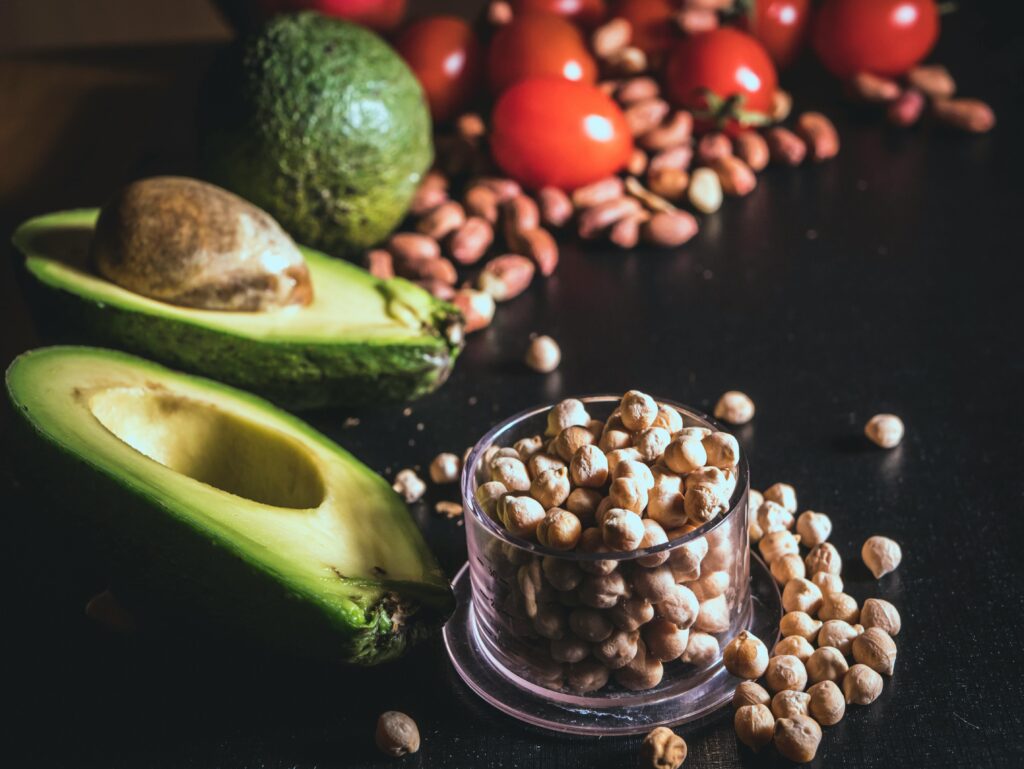
- Healthy fats: Avocados, nuts, seeds, and olive oil.
- Lean proteins: Fish, poultry, eggs, and grass-fed beef.
- Low-carb vegetables: Broccoli, cauliflower, zucchini, and bell peppers.
2. Monitor Your Macronutrients
Use a food diary or app to track your macronutrient intake, ensuring that you’re maintaining the proper balance to achieve ketosis. Aim for the following:
- Carbohydrates: 20-50 grams per day.
- Protein: Moderate, as excessive protein can convert to glucose and inhibit ketosis.
- Fat: The majority of your calorie intake should come from healthy fats.
3. Stay Hydrated and Include Electrolytes
The keto diet can lead to increased water loss, so staying hydrated is crucial. Additionally, you may need to supplement with electrolytes (sodium, potassium, and magnesium) to prevent imbalances that can cause fatigue and muscle cramps.
4. Consider Supplements
To prevent nutrient deficiencies, consider taking supplements such as:
- Prenatal vitamins: Ensure they include folate, iron, and vitamin D.
- Omega-3 fatty acids: Fish oil supplements can help reduce inflammation.
- Magnesium: Supports muscle function and overall energy levels.
5. Consult with a Healthcare Professional
Before starting the keto diet, especially if you’re trying to conceive, consult with a healthcare professional. They can help tailor the diet to your specific needs and monitor your progress, ensuring you’re getting the necessary nutrients for fertility and overall health.
Conclusion
>>Get Your Very Own Customized Keto Diet Plan Today<<
The ketogenic diet can offer various benefits for fertility, particularly for those dealing with conditions like PCOS or excess body weight. By promoting weight loss, improving insulin sensitivity, and supporting hormonal balance, keto can help create a more favorable environment for conception. However, it’s important to approach this diet with caution, considering potential nutrient deficiencies and the need for medical supervision.
If you’re considering the keto diet as part of your fertility plan, make sure to prioritize whole, nutrient-dense foods, monitor your macronutrient intake, and consult with a healthcare professional to ensure a balanced and effective approach.
References:
NIH Study on Weight Loss and Fertility
- National Institutes of Health. (2015). Impact of Weight Loss on Fertility. NIH.
European Journal on Keto and PCOS
- Paoli, A. et al. (2013). Ketogenic Diet Uses. EJCN, 67(8), 789-796. EJCN.
Pilot Study on Keto and PCOS
- Mavropoulos, J. C. et al. (2005). Low-Carb Diet and PCOS. Nutrition & Metabolism, 2, 35. N&M.
Review on Low-Carb Diets and Fertility
- Gaskins, A. J., & Chavarro, J. E. (2018). Diet and Fertility. AJOG, 218(4), 379-389. AJOG.