When you buy through links on our site, we may receive an affiliate commission terms and conditions.
The ketogenic (keto) diet is one of the most popular diets worldwide, famed for its ability to promote weight loss, improve metabolic health, and enhance mental clarity. However, the traditional keto diet heavily relies on animal products, making it seem challenging for vegetarians. But here’s the good news—vegetarians can follow a keto diet and enjoy its benefits too, with a few mindful adjustments. This guide will walk you through everything you need to know about a keto diet for vegetarians, including its benefits, challenges, and practical tips for success.
1. What is the Ketogenic Diet?
The ketogenic diet is a high-fat, low-carbohydrate diet designed to put your body into a metabolic state called ketosis. In ketosis, your body shifts from using glucose (from carbohydrates) as its primary energy source to burning fat for fuel, resulting in the production of ketones in the liver.
Basic Principles of Keto:
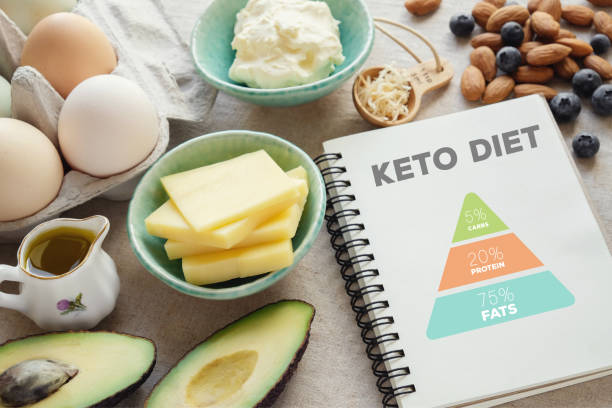
- High Fat: Roughly 70-75% of your daily calories come from fat.
- Moderate Protein: Around 20-25% of calories are from protein.
- Low Carbohydrates: Carbs are restricted to about 5-10% of total daily intake, typically fewer than 50 grams per day.
This drastic reduction in carbs is what differentiates keto from many other diets. It forces the body to enter ketosis, where it primarily burns fat instead of glucose.
2. Can Vegetarians Follow a Keto Diet?
Yes, vegetarians can follow the keto diet with a little creativity and planning. The major challenge for vegetarians is the heavy reliance on carbohydrates found in many plant-based foods (like grains, legumes, and starchy vegetables). However, with careful selection of low-carb, plant-based foods and an emphasis on healthy fats, vegetarians can successfully follow the keto diet.
What is a Vegetarian Keto Diet?
- A vegetarian keto diet excludes meat and fish but includes dairy products, eggs, and plant-based protein sources.
- For lacto-ovo vegetarians (those who eat eggs and dairy), achieving nutritional balance on keto is relatively straightforward.
- For vegans (who exclude all animal products), keto can be more restrictive but is still possible with plant-based proteins like tofu, tempeh, and seitan, combined with fats from sources like coconut oil, avocados, and nuts.
3. Benefits of a Vegetarian Keto Diet
Combining the benefits of a keto diet with a vegetarian lifestyle may amplify certain health advantages, making this approach appealing for those looking to improve their health.
Weight Loss
The keto diet promotes fat loss through ketosis. When combined with a vegetarian diet, it can help you lose weight while still consuming nutrient-dense, plant-based foods.
Better Blood Sugar Control
A keto diet reduces carbohydrate intake, which can help improve insulin sensitivity and lower blood sugar levels. This is particularly beneficial for people with type 2 diabetes or those at risk of developing it.
Enhanced Cognitive Function
Many keto dieters report improved focus and mental clarity. The ketones produced during ketosis provide a steady source of energy for the brain, helping with cognition.
Heart Health
A well-planned vegetarian diet is linked to better heart health due to its focus on nutrient-dense plant-based foods, while a ketogenic diet can improve cholesterol levels by increasing HDL (“good”) cholesterol.
>>Get Your Very Own Customized Keto Diet Plan Today<<
4. Macronutrient Breakdown of the Vegetarian Keto Diet
The key to successfully combining keto and vegetarianism is macronutrient management. Here’s a breakdown of how to structure your meals:
Fats
Healthy fats should be the foundation of your vegetarian keto diet. Some of the best sources of fat for vegetarians include:
- Avocados
- Olive oil
- Coconut oil
- Nuts and seeds (almonds, chia seeds, flaxseeds, walnuts)
- Nut butters (almond butter, peanut butter)
- Full-fat dairy products (cheese, butter, cream)
- Egg yolks
Protein
While traditional keto diets rely on meat and fish for protein, vegetarians need to focus on plant-based protein sources. Some options include:
- Eggs
- Dairy (Greek yogurt, cottage cheese)
- Tofu and tempeh
- Seitan (though higher in carbs, can be consumed in moderation)
- Low-carb protein powders (such as pea protein or whey protein isolate)
Carbohydrates
Since carbs are limited on the keto diet, choosing low-carb vegetables and plant-based foods is critical. Some of the best low-carb vegetables for vegetarians on keto include:
- Leafy greens (spinach, kale, arugula)
- Broccoli
- Cauliflower
- Zucchini
- Bell peppers
- Mushrooms
- Asparagus
Starchy vegetables and grains like potatoes, corn, and quinoa are high in carbohydrates and should be avoided or consumed in very limited quantities.
5. Foods to Eat on a Vegetarian Keto Diet

To maintain ketosis, it’s essential to focus on high-fat, low-carb foods that align with vegetarian principles. Here’s a comprehensive list of what to include:
Healthy Fats
- Coconut oil
- Olive oil
- Avocados
- MCT oil (medium-chain triglycerides)
- Ghee or butter
- Cheese (full-fat varieties like mozzarella, cheddar, and feta)
- Heavy cream
Protein Sources
- Eggs
- Tofu
- Tempeh
- Greek yogurt (unsweetened, full-fat)
- Cottage cheese
- Low-carb protein powders
Low-Carb Vegetables
- Spinach
- Zucchini
- Cauliflower
- Bell peppers
- Broccoli
- Cabbage
Nuts and Seeds
- Chia seeds
- Flaxseeds
- Hemp seeds
- Almonds
- Walnuts
- Pecans
Dairy
- Cheese (high-fat, low-carb)
- Heavy cream
- Butter
- Sour cream
6. Foods to Avoid on a Vegetarian Keto Diet
Since keto is a low-carb diet, several carbohydrate-rich foods should be limited or eliminated entirely, even if they are staples in vegetarian diets.
Carbohydrate-Heavy Foods
- Grains (rice, oats, quinoa, wheat, barley)
- Legumes (beans, lentils, chickpeas)
- Starchy Vegetables (potatoes, sweet potatoes, corn)
- Fruits (bananas, apples, oranges, grapes)
- Bread, pasta, and cereals
Sugary Foods
- Sugar (in any form: white sugar, brown sugar, honey, agave)
- Sweets (candy, cakes, cookies)
- Sweetened beverages (soda, fruit juices)
7. Meal Planning Tips
Success on a vegetarian keto diet requires careful planning, especially around macronutrients. Here are a few strategies to make it easier:
Batch Cooking
Prepare meals ahead of time to ensure you always have keto-friendly vegetarian options. Cook large batches of tofu stir-fry, cauliflower rice, or zucchini noodles to store in the fridge.
Track Your Macros
Use a nutrition tracking app to monitor your daily intake of fats, proteins, and carbs. This will help you stay within keto guidelines while ensuring you get enough nutrients.
Incorporate Healthy Snacks
Snacking on keto-friendly vegetarian options can help you stay satisfied between meals. Some great choices include:
- Cheese slices
- Boiled eggs
- Nut butter with celery sticks
- Keto fat bombs made with coconut oil and cocoa
8. Vegetarian Keto Meal Ideas
Here are some easy meal ideas to help you stay on track with your vegetarian keto diet:
Breakfast
- Avocado and Egg Bowl: A sliced avocado topped with a poached egg, a drizzle of olive oil, and a sprinkle of salt and pepper.
- Keto Smoothie: Blend unsweetened almond milk, spinach, avocado, and chia seeds for a creamy, nutrient-dense smoothie.
Lunch
- Zucchini Noodles with Pesto: Spiralized zucchini topped with homemade basil pesto (made with olive oil, garlic, and pine nuts).
- Egg Salad Lettuce Wraps: A classic egg salad wrapped in large romaine lettuce leaves.
Dinner
- Cauliflower Crust Pizza: A keto-friendly pizza made with a cauliflower crust and topped with cheese, mushrooms, and spinach.
- Stir-Fried Tofu with Broccoli: Tofu cubes stir-fried in coconut oil with broccoli and bell peppers.
Snacks
- Cheese Chips: Baked slices of cheddar cheese for a crunchy snack.
- Keto Fat Bombs: A mixture of coconut oil, cocoa powder, and almond butter rolled into small, bite-sized balls.
9. Potential Challenges and How to Overcome Them
Finding Enough Protein
Since traditional keto diets rely heavily on animal-based proteins, vegetarians may struggle to meet their protein needs. To overcome this, focus on high-protein vegetarian sources like eggs, dairy, tofu, and low-carb protein powders.
Limited Variety
With the restriction of both carbs and animal products, meal variety might feel limited. Experiment with new recipes, spices, and keto-friendly ingredients to keep things exciting.
Maintaining Nutritional Balance
Without proper planning, a vegetarian keto diet can lead to nutrient deficiencies, particularly in iron, B12, and omega-3 fatty acids. Consider supplements (more on this below).
10. Supplements for a Vegetarian Keto Diet
Some nutrients can be challenging to obtain from a vegetarian keto diet alone. Here are some supplements that might be beneficial:
Vitamin B12
Vegetarians often lack sufficient vitamin B12, which is primarily found in animal products. A B12 supplement can help.
Iron
While non-heme iron from plant-based sources is available, it’s less bioavailable than heme iron from meat. Consider an iron supplement if necessary.
Omega-3 Fatty Acids
Plant-based omega-3s from sources like flaxseeds are not as effective as the DHA and EPA found in fish. A microalgae-based omega-3 supplement can help.
Electrolytes
The keto diet can lead to the depletion of electrolytes like sodium, potassium, and magnesium, especially during the initial phases. Supplement with electrolyte powders or foods rich in these minerals.
11. Final Thoughts
>>Get Your Very Own Customized Keto Diet Plan Today<<
The ketogenic diet can be a game-changer for weight loss, mental clarity, and metabolic health, and vegetarians don’t have to miss out on these benefits. By carefully planning meals, prioritizing plant-based fats and proteins, and keeping carbohydrate intake low, you can successfully follow a vegetarian keto diet.
Though it may present a few challenges, the combination of vegetarianism and keto offers a unique opportunity to enjoy a diet rich in healthy fats, plant-based proteins, and low-carb vegetables. With the right balance, this diet can support your health and wellness goals. Whether you’re looking to lose weight, boost brain function, or improve your blood sugar levels, a vegetarian keto diet may be the right fit for you.
>>Indulge Guilt Free In Keto Ice Cream<<