When you buy through links on our site, we may receive an affiliate commission terms and conditions.
Embarking on the journey of the ketogenic diet can be both exhilarating and overwhelming, especially when it comes to ensuring you’re consuming enough fat. Fear not! With a nuanced understanding and strategic choices, you can effortlessly meet your fat intake targets while relishing the benefits of this low-carb, high-fat lifestyle. Let’s delve deeper into the intricacies.
Deciphering the Keto Diet
The ketogenic diet is not merely a reduction in carbohydrates; it’s a metabolic transformation. By drastically limiting carb intake, your body switches from relying on glucose for energy to burning fats, both from your diet and stored in your body, thus entering a state of ketosis. This metabolic adaptation is the crux of the ketogenic diet’s efficacy in weight loss and health enhancement.
Unveiling the Significance of Fat on Keto
Fat isn’t just a sidekick on the keto diet; it’s the star of the show. Here’s why fat is paramount:
- Fueling Energy: With carbohydrates restricted, fat becomes your primary energy source. By consuming ample fat, you provide your body with a steady stream of fuel, promoting sustained energy levels throughout the day.
- Satiety Sentinel: Fat’s satiating properties are a boon on keto, helping stave off hunger pangs and cravings. Including sufficient fat in your meals ensures you feel satisfied and content, preventing overeating and aiding adherence to your dietary goals.
- Facilitating Nutrient Absorption: Many vital nutrients, such as vitamins A, D, E, and K, are fat-soluble, meaning they necessitate fat for absorption. By incorporating adequate fat into your meals, you optimize the bioavailability of these essential nutrients, supporting overall health and vitality.
Determining Your Fat Quota
Pinpointing your ideal fat intake on keto hinges on various factors, including age, weight, activity level, and health objectives. While individual requirements may vary, a general guideline suggests aiming for approximately 70-80% of your daily calories from fat.
To compute your fat quota:
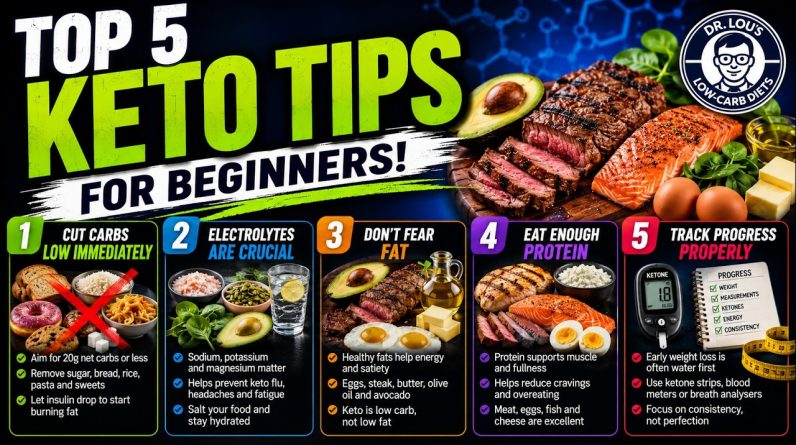
- Trimming Carbohydrates: Restrict your carb intake to roughly 5-10% of your total daily calories.
- Balanced Protein Intake: Moderate your protein consumption to around 15-25% of your daily caloric intake.
- Filling the Gap with Fat: The remaining calories in your diet should be sourced from healthy fats, constituting the bulk of your daily intake.
Navigating the Landscape of Healthy Fats
Not all fats are created equal, and prioritizing healthy fats is imperative for optimal health on keto. Here’s a rundown of exemplary sources:
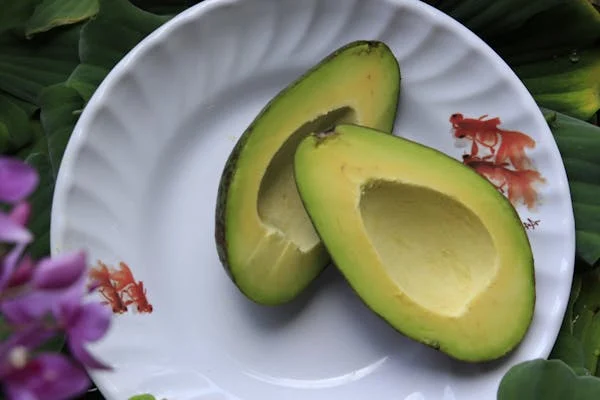
- Avocados: Renowned for their creamy texture and rich flavor, avocados are brimming with heart-healthy monounsaturated fats. Versatile and nutrient-dense, they make a delectable addition to salads, smoothies, and keto-friendly desserts.
- Olive Oil: Extra virgin olive oil, a cornerstone of Mediterranean cuisine, boasts an impressive array of monounsaturated fats and antioxidants. Drizzle it over salads, use it as a marinade, or incorporate it into homemade dressings for a flavorful flourish.
- Coconut Oil: Abundant in medium-chain triglycerides (MCTs), coconut oil is a preferred fat source for keto aficionados. MCTs are rapidly converted into ketones by the liver, furnishing a quick and sustained energy boost. Incorporate coconut oil into your cooking or blend it into your morning coffee for a frothy, fat-fueled beverage.
- Nuts and Seeds: Almonds, walnuts, chia seeds, and flaxseeds are veritable nutritional powerhouses, teeming with healthy fats, fiber, and micronutrients. Snack on a handful of nuts for a satisfying crunch or sprinkle seeds atop salads and yogurt for added texture and nutritional value.
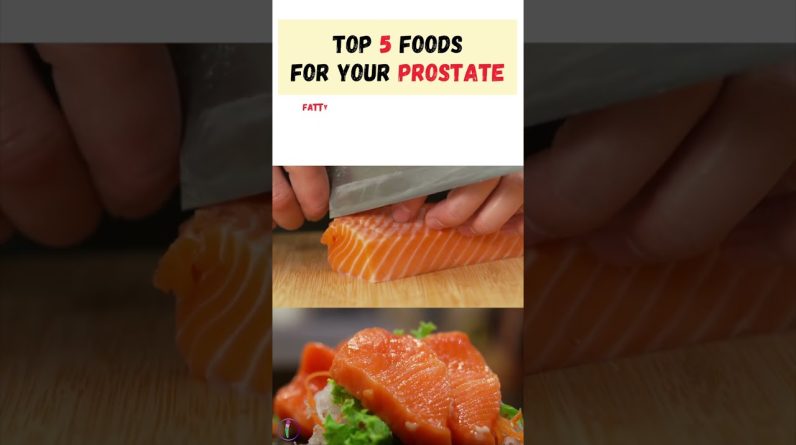
- Fatty Fish: Salmon, mackerel, and sardines are replete with omega-3 fatty acids, renowned for their anti-inflammatory properties and cognitive benefits. Incorporate fatty fish into your weekly meal rotation by grilling, baking, or pan-searing fillets for a delectable dose of healthy fats.
- Grass-Fed Butter and Ghee: Derived from the milk of grass-fed cows, butter and ghee are prized for their rich flavor and nutritional profile. Use grass-fed butter for cooking and baking, or spread it on low-carb bread for a decadent treat. Ghee, with its high smoke point and nutty aroma, is ideal for sautéing vegetables or drizzling over roasted meats for an added layer of flavor.

Practical Strategies for Amping Up Fat Intake
Empowered with knowledge about healthy fat sources, let’s explore practical strategies to seamlessly incorporate them into your daily routine:
- Culinary Creativity: Infuse your meals with flavor and flair by cooking with healthy fats like olive oil, coconut oil, or grass-fed butter. Sauté vegetables in olive oil, roast meats in ghee, or drizzle coconut oil over roasted vegetables for an indulgent twist.
- Avocado Adoration: Elevate your dishes with the lusciousness of avocados. Slice them onto salads, mash them into guacamole, or blend them into creamy dressings and dips for a velvety finish.
- Nutty Nibbles: Keep a stash of nuts and seeds on hand for convenient snacking. Whether you prefer almonds, walnuts, or pumpkin seeds, these nutrient-dense morsels provide a satisfying crunch and a hefty dose of healthy fats.
- Fish Feast: Incorporate fatty fish into your weekly meal plan for a dose of omega-3 fatty acids. Grill salmon fillets, bake mackerel steaks, or toss canned sardines into salads or stir-fries for a seafood sensation.
- Dairy Delight: Opt for full-fat dairy products like cheese, yogurt, and cream to bolster your fat intake. Indulge in creamy cheeses, whip up a batch of keto-friendly yogurt, or swirl heavy cream into your morning coffee for a decadent start to the day.
- Butter Bliss: Embrace the richness of grass-fed butter and ghee in your cooking endeavors. Whether you’re frying eggs, sautéing vegetables, or baking keto treats, these flavorful fats impart a sumptuous depth of flavor to your culinary creations.
Conclusion: Embracing the Fat-Fueled Journey
>>Get Your Very Own Customized Keto Diet Plan Today<<
Navigating the realm of fat consumption on the ketogenic diet need not be daunting. Armed with an understanding of the pivotal role fat plays in ketosis and equipped with practical strategies for incorporating healthy fats into your meals, you’re primed to embark on a fat-fueled journey towards health and vitality. Remember, experimentation is key; listen to your body’s cues, adjust your fat intake accordingly, and revel in the transformative power of the ketogenic lifestyle.