When you buy through links on our site, we may receive an affiliate commission terms and conditions.
Struggling with finding a way to lose belly fat can be incredibly frustrating, but there’s a powerful tool gaining popularity for its effectiveness: the keto diet, or keto for short. In this comprehensive guide, we’ll delve into the intricacies of the keto diet and explore how it can help you shed unwanted belly fat and achieve your weight loss goals.
What is the Keto Diet?
The ketogenic diet is a high-fat, low-carbohydrate eating plan designed to shift your body into a metabolic state called ketosis. Ketosis occurs when your body switches from using glucose (sugar) as its primary fuel source to burning fat for energy. By drastically reducing your carbohydrate intake and increasing your consumption of healthy fats, you can train your body to become a fat-burning machine.
How Does the Keto Diet Help Lose Belly Fat?
- Reduces Insulin Levels: When you consume carbohydrates, your body releases insulin to help regulate your blood sugar levels. Elevated insulin levels can inhibit fat loss, particularly around the abdominal area. By minimizing your intake of carbs, you can lower your insulin levels, allowing your body to more effectively burn stored fat, including stubborn belly fat.
- Increases Fat Burning: On the keto diet, your body becomes highly efficient at burning fat for fuel. By relying on fat stores for energy instead of carbohydrates, you can significantly accelerate fat loss, especially in the abdominal region.
- Suppresses Appetite: Unlike carbohydrates, which can cause fluctuations in blood sugar levels and lead to cravings and overeating, fats are highly satiating. By consuming adequate amounts of healthy fats on the keto diet, you can effectively curb hunger and reduce your overall calorie intake, facilitating weight loss, including the loss of belly fat.
>>Get Your Very Own Customized Keto Diet Plan Today<<
Getting Started with the Keto Diet:
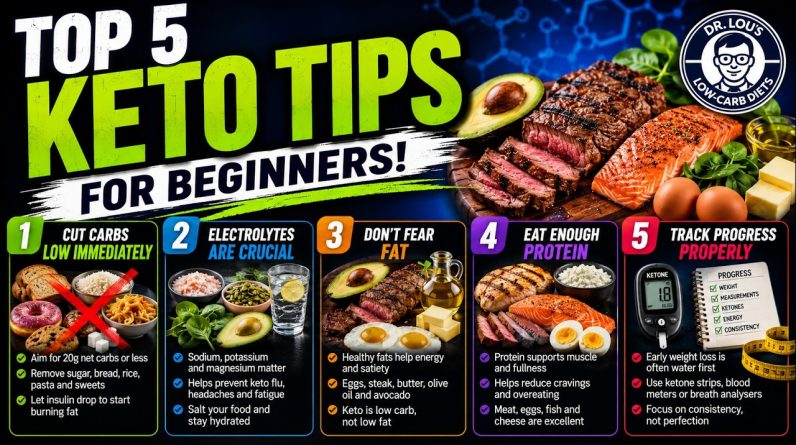
- Calculate Your Macros: To successfully follow the keto diet, it’s essential to determine your daily macronutrient intake. A typical ketogenic macronutrient breakdown consists of approximately 70-75% of calories from fat, 20-25% from protein, and 5-10% from carbohydrates.
- Stock Up on Keto-Friendly Foods: Focus on incorporating whole, nutrient-dense foods into your diet, such as:
- Protein sources: Meat, poultry, fish, eggs, and tofu.
- Healthy fats: Avocados, nuts, seeds, olive oil, coconut oil, and fatty fish.
- Low-carb vegetables: Leafy greens, broccoli, cauliflower, zucchini, and bell peppers.
Avoid processed foods, sugary snacks, and high-carb foods, as they can hinder your progress on the keto diet.
- Stay Hydrated: Adequate hydration is essential on the keto diet, especially during the initial transition phase when your body is adjusting to burning fat for fuel. Aim to drink at least eight glasses of water per day to support optimal hydration and overall health.
- Monitor Your Ketone Levels: Ketone bodies are produced during ketosis and serve as a marker of fat burning. You can measure your ketone levels using urine strips, blood tests, or breath analyzers. Tracking your ketone levels can help ensure that you’re effectively maintaining ketosis and maximizing fat loss.
Tips for Success:
- Be Patient: While some individuals may experience rapid weight loss on the keto diet, others may progress more slowly. Remember that sustainable weight loss takes time, and consistency is key. Trust the process and stay committed to your goals.
- Listen to Your Body: Pay attention to how your body responds to different foods and adjust your dietary intake accordingly. While some people thrive on a strict ketogenic approach, others may benefit from slightly higher carb allowances or cyclical ketogenic diets. Experiment to find what works best for you.
- Incorporate Exercise: While diet plays a significant role in losing belly fat, regular physical activity can further enhance your results. Aim to incorporate a combination of cardiovascular exercise and strength training into your routine to promote fat burning, preserve lean muscle mass, and improve overall fitness.
- Prioritize Sleep: Quality sleep is crucial for optimal health and weight management. Aim for seven to nine hours of uninterrupted sleep per night to support your body’s recovery processes, regulate hormones, and promote fat loss.
Potential Challenges:
- Keto Flu: Some individuals may experience flu-like symptoms, including headaches, fatigue, irritability, and dizziness, during the initial stages of the keto diet. This temporary phenomenon, known as the “keto flu,” typically occurs as your body adjusts to using fat for fuel. Stay hydrated, replenish electrolytes, and be patient, as these symptoms usually subside within a few days to a week.
- Social Pressure: Following a ketogenic diet can be challenging in social situations where high-carb foods are prevalent. Be prepared to explain your dietary choices to friends and family members and seek out keto-friendly options when dining out or attending social events.
- Plateauing: It’s not uncommon to reach a weight loss plateau on the keto diet, particularly as your body adapts to the changes in your eating habits. If you find that your progress has stalled, consider adjusting your macronutrient ratios, incorporating intermittent fasting, or varying your exercise routine to reignite fat loss.
>>Get Your Very Own Customized Keto Diet Plan Today<<
Conclusion:
The keto diet offers a promising approach to help anyone lose belly fat and achieving your weight loss goals. By following a low-carb, high-fat eating plan and making healthy lifestyle choices, you can harness the power of ketosis to transform your body and improve your overall health. Remember to stay patient, stay consistent, and consult with a healthcare professional before making any significant dietary changes. With dedication and perseverance, you can successfully reach your desired weight and enjoy the numerous health benefits of the keto diet.