When you buy through links on our site, we may receive an affiliate commission terms and conditions.

As we age, maintaining good health becomes increasingly vital. One approach gaining popularity among seniors is the ketogenic diet, or keto diet. This low-carb, high-fat diet offers numerous health benefits, including weight loss, improved mental clarity, and better blood sugar control. In this article, we’ll delve into the basics of the keto diet plan tailored specifically for seniors.
Understanding the Keto Diet: The ketogenic diet involves drastically reducing your carbohydrate intake and replacing it with healthy fats. By doing so, your body enters a state called ketosis, where it burns fat for fuel instead of carbohydrates. This metabolic shift offers various health advantages, particularly for seniors.
>>Get Your Very Own Customized Keto Diet Plan Today<<
Benefits of a Keto Diet Plan for Seniors:
- Weight Loss: Shedding excess pounds is often a concern for seniors. The keto diet can aid in weight loss by promoting fat burning and reducing appetite, leading to a caloric deficit. This can be particularly beneficial for seniors dealing with obesity or weight-related health issues such as joint pain or sleep apnea.
- Enhanced Cognitive Function: Many seniors experience cognitive decline with age. Ketones produced during ketosis provide an alternative energy source for the brain, potentially improving mental clarity and cognitive function. Research suggests that the ketogenic diet may even have neuroprotective effects, reducing the risk of neurodegenerative diseases like Alzheimer’s.
- Better Blood Sugar Control: Seniors with diabetes or pre-diabetes can benefit from the keto diet’s ability to stabilize blood sugar levels. By minimizing carbohydrate intake, it helps regulate insulin and glucose levels, reducing the need for medication and lowering the risk of diabetic complications such as neuropathy or retinopathy.
- Increased Energy Levels: Seniors often struggle with fatigue, which can significantly impact their quality of life. The keto diet can provide sustained energy by utilizing fat stores for fuel, reducing energy dips associated with fluctuating blood sugar levels. This can enable seniors to maintain an active lifestyle and engage in activities they enjoy, such as gardening, walking, or playing with grandchildren.
Getting Started:
- Consult Your Healthcare Provider: Before embarking on any dietary changes, it’s essential to consult your doctor, especially if you have pre-existing health conditions or take medication. Your healthcare provider can offer personalized advice based on your medical history and help monitor your progress on the keto diet.
- Gradual Transition: Seniors should ease into a keto diet plan gradually, allowing their bodies to adjust. Start by gradually reducing carbohydrate intake while increasing healthy fats. This gradual approach can minimize potential side effects such as digestive issues or fatigue and make the transition more sustainable in the long term.
- Focus on Whole Foods: Emphasize whole, nutrient-dense foods such as meats, fish, eggs, vegetables, nuts, and healthy fats like avocados and olive oil. These foods provide essential nutrients such as protein, vitamins, and minerals, supporting overall health and well-being. Avoid processed foods and excessive sugar, which can contribute to inflammation, insulin resistance, and other health problems.
- Stay Hydrated: Proper hydration is crucial on the keto diet, especially for seniors who may be more prone to dehydration due to age-related changes in kidney function. Drink plenty of water throughout the day, aiming for at least eight glasses or more depending on your individual needs and activity level. You can also enjoy herbal teas, bone broth, or electrolyte-enhanced beverages to stay hydrated and replenish electrolytes lost through urine.
- Monitor Electrolytes: When following a low-carb diet, it’s essential to maintain electrolyte balance to prevent symptoms like muscle cramps, fatigue, or dizziness. Consider supplementing with magnesium, potassium, and sodium, as needed, particularly if you experience symptoms of electrolyte imbalance. You can also increase your intake of electrolyte-rich foods such as leafy greens, nuts, seeds, and avocados to support optimal health and performance on the keto diet.
Meal Ideas:
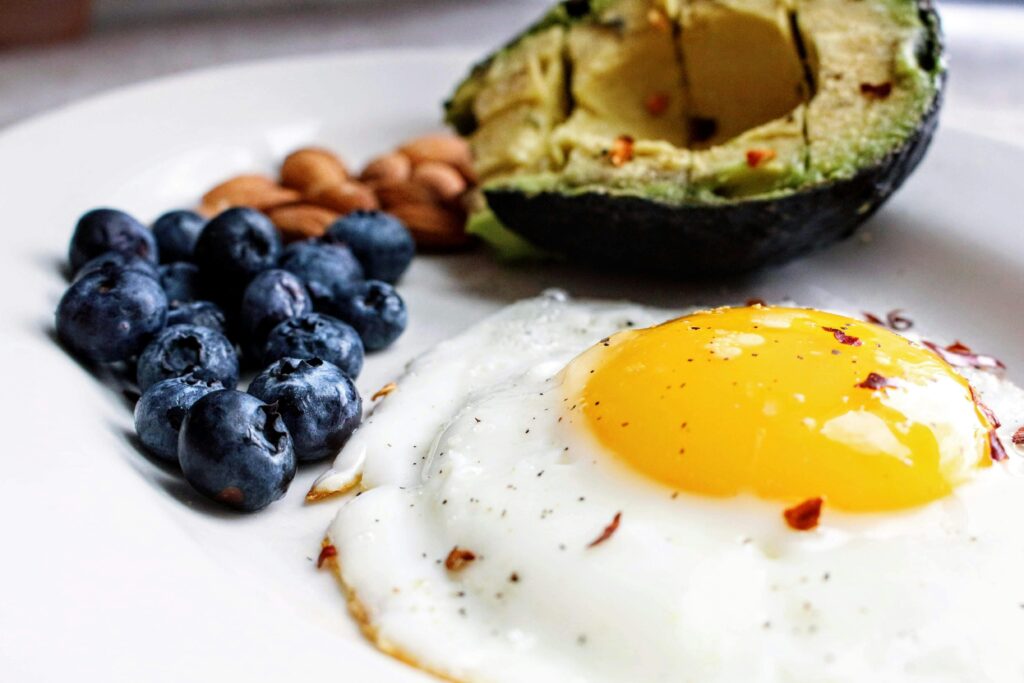
- Breakfast: Start the day with a keto-friendly meal such as scrambled eggs cooked in butter with avocado slices and a side of bacon or sausage. Eggs are an excellent source of high-quality protein and essential nutrients like choline, which supports brain health and cognitive function. Avocado provides healthy fats and fiber, while bacon or sausage adds flavor and satiety to keep you full until your next meal.
- Lunch: Enjoy a salad topped with grilled chicken or salmon, mixed greens, avocado, nuts, and olive oil dressing. Salads are a versatile and convenient option for seniors following the keto diet, as they can be customized with a variety of toppings based on personal preferences and dietary needs. Grilled chicken or salmon adds protein and heart-healthy omega-3 fatty acids, while avocado, nuts, and olive oil provide healthy fats and fiber to keep you satisfied.
- Dinner: Savor a serving of roasted vegetables alongside a generous portion of steak or fish cooked in coconut oil or ghee. Roasted vegetables like broccoli, cauliflower, Brussels sprouts, or zucchini are delicious and nutritious additions to any keto meal, providing fiber, vitamins, and minerals. Steak or fish cooked in healthy fats like coconut oil or ghee provides protein and essential nutrients like iron, zinc, and B vitamins, supporting muscle health, immune function, and overall well-being.
- Snacks: Opt for snacks like cheese slices, celery sticks with almond butter, or a handful of mixed nuts to keep hunger at bay between meals. Cheese is a convenient and portable snack that provides protein and calcium, while celery sticks with almond butter offer a satisfying combination of crunch and creaminess. Mixed nuts are rich in healthy fats, protein, and fiber, making them an excellent option for seniors following the keto diet.
Challenges and Solutions:

- Social Situations: Dining out or attending social gatherings can present challenges for seniors following the keto diet, as many restaurant menus and party foods are high in carbohydrates. To navigate these situations, focus on protein and vegetable-based options, and don’t be afraid to request modifications such as replacing bread or pasta with extra vegetables or salad. You can also eat before you go out to avoid temptation or bring your own keto-friendly dish to share with others.
- Keto Flu: Some seniors may experience temporary side effects such as fatigue, headache, or dizziness when starting a keto diet plan, often referred to as the “keto flu.” Combat these symptoms by staying hydrated, replenishing electrolytes, and getting adequate rest. You can also try gradually reducing carbohydrate intake over several weeks to minimize the severity of keto flu symptoms and allow your body to adapt more smoothly to ketosis.
- Nutrient Deficiencies: Cutting out certain food groups can increase the risk of nutrient deficiencies, particularly if you’re not careful to include a variety of foods in your diet. Seniors should ensure they’re meeting their nutritional needs by incorporating a diverse range of foods from all food groups, including protein sources, vegetables, healthy fats, and low-carb fruits. Consider consulting with a registered dietitian or nutritionist to develop a personalized meal plan that meets your individual needs and preferences. You may also benefit from supplementation with vitamins or minerals if you’re unable to obtain sufficient nutrients from food alone.
>>Get Your Very Own Customized Keto Diet Plan Today<<
Conclusion:
The keto diet offers numerous health benefits for seniors, including weight loss, improved cognitive function, and better blood sugar control. By following a keto diet plan well tailored to their needs, seniors can enjoy better health and vitality in their golden years. Remember to consult with your healthcare provider before making any significant dietary changes, and listen to your body as you embark on this new journey toward improved health and well-being. With the right approach and mindset, the keto diet can be a valuable tool for seniors looking to optimize their health and quality of life for years to come.