When you buy through links on our site, we may receive an affiliate commission terms and conditions.
In today’s fast-paced world, mental health issues like anxiety and depression have become increasingly prevalent. Many people are searching for ways to improve their mental well-being, and one approach that has gained attention is the ketogenic diet, commonly known as the keto diet. This high-fat, low-carbohydrate diet has been praised for its potential benefits on weight loss and physical health. However, what about its impact on mental health?
In this blog post, we’ll delve into the relationship between the keto diet and mental health. We’ll explore how this dietary approach might affect anxiety and depression, providing you with a clear understanding of whether it’s a path worth considering for improving your mental well-being.
Understanding the Keto Diet
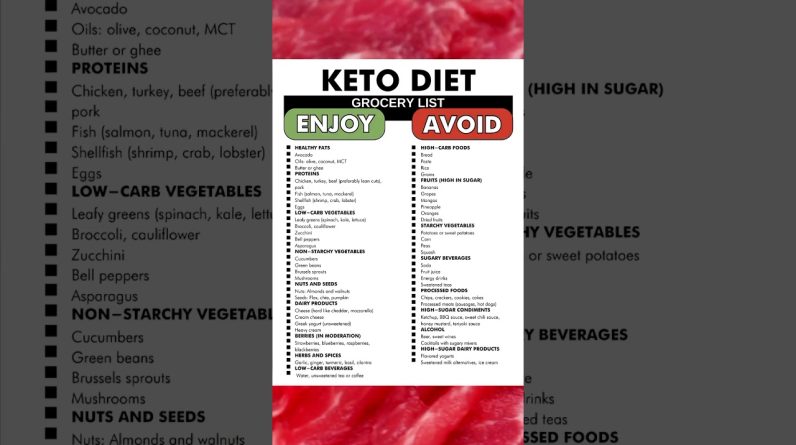
Before we dive into the connection between the keto diet and mental health, let’s take a moment to understand what the keto diet is all about. The ketogenic diet is a low-carbohydrate, high-fat, and moderate-protein diet designed to induce a metabolic state called ketosis. Ketosis occurs when the body’s primary source of energy shifts from carbohydrates to fats, leading to the production of ketones as an alternative fuel source.
The typical macronutrient breakdown of a keto diet looks something like this:
- Carbohydrates: Less than 50 grams per day (usually around 5-10% of total daily calories).
- Fats: Approximately 70-80% of total daily calories.
- Protein: About 15-20% of total daily calories.
Now that we have a basic understanding of the keto diet, let’s explore its potential impact on mental health.
Keto and Anxiety
- Stabilizing Blood Sugar Levels: One of the key ways the keto diet may positively influence anxiety is by stabilizing blood sugar levels. When you consume high-carbohydrate meals, it can lead to rapid spikes and crashes in blood sugar levels, resulting in mood swings and increased anxiety. By minimizing carbohydrate intake and relying on fats for energy, the keto diet helps maintain stable blood sugar levels, potentially reducing anxiety-related symptoms.
- Reducing Inflammation: Chronic inflammation has been linked to various mental health disorders, including anxiety. The keto diet, with its emphasis on anti-inflammatory foods like fatty fish, nuts, and olive oil, may help reduce inflammation in the body. This reduction in inflammation could contribute to a calmer, more balanced mood.
- Enhancing GABA Production: Gamma-aminobutyric acid (GABA) is a neurotransmitter that plays a crucial role in regulating anxiety. Some studies suggest that the keto diet may promote the production of GABA in the brain, potentially leading to decreased anxiety symptoms.
It’s important to note that while these potential mechanisms seem promising, more research is needed to establish a clear link between the keto diet and anxiety reduction. Furthermore, individual responses to the diet may vary, so it’s essential to consult with a healthcare professional before making significant dietary changes, especially if you have a history of anxiety.
Keto and Depression
- Improving Mood: The ketogenic diet has been associated with improved mood and reduced symptoms of depression in some individuals. The stabilization of blood sugar levels, as mentioned earlier, may also contribute to a more stable mood, reducing the likelihood of mood swings associated with depression.
- Neuroprotective Effects: The keto diet may have neuroprotective effects due to its ability to enhance mitochondrial function and reduce oxidative stress. This could potentially protect brain cells and improve overall brain health, which may have a positive impact on depressive symptoms.
- Increased Serotonin Production: Serotonin is a neurotransmitter often associated with feelings of happiness and well-being. Some research suggests that the keto diet may increase serotonin production in the brain, potentially alleviating symptoms of depression.
- Weight Loss and Body Image: For some individuals, successful weight loss on the keto diet can lead to improved body image and self-esteem, which can indirectly reduce symptoms of depression related to body dissatisfaction.
Again, it’s crucial to emphasize that individual responses to the keto diet can vary significantly, and not everyone with depression will experience benefits. If you’re considering the keto diet as a potential tool for managing depression, it’s essential to consult with a healthcare professional and, ideally, work with a registered dietitian to ensure you’re meeting your nutritional needs.
Potential Challenges and Considerations
While the keto diet may offer potential benefits for mental health, it’s essential to be aware of some challenges and considerations:
- Keto Flu: When starting the keto diet, some people experience symptoms known as the “keto flu,” which can include fatigue, irritability, and mood swings. These symptoms typically resolve within a few days to a week as the body adapts to ketosis.
- Sustainability: The keto diet can be challenging to maintain over the long term due to its restrictive nature. Many people find it difficult to eliminate or drastically reduce carbohydrates from their diet indefinitely.
- Nutritional Balance: Achieving a well-balanced diet on keto can be challenging. It’s essential to carefully plan meals to ensure you’re getting all the necessary nutrients.
- Individual Variability: What works for one person may not work for another. The effects of the keto diet on mental health can vary greatly among individuals.
- Consultation with a Healthcare Professional: Before starting the keto diet, especially if you have a history of mental health issues, it’s crucial to consult with a healthcare professional or registered dietitian. They can help you determine if it’s a suitable choice for you and provide guidance on how to follow it safely.
Conclusion
The relationship between the keto diet and mental health, specifically anxiety and depression, is a complex and evolving topic. While there are plausible mechanisms by which the keto diet could have a positive impact on mental well-being, more research is needed to establish a definitive connection.
If you’re interested in exploring the keto diet as a potential tool for managing anxiety or depression, it’s essential to do so under the guidance of a healthcare professional. They can help you make informed decisions about your dietary choices and monitor your progress to ensure your mental health needs are being met effectively.
Ultimately, the keto diet may be a valuable addition to your mental health toolkit, but it should be considered as part of a comprehensive approach that includes other therapeutic interventions, such as counseling, medication (if prescribed by a healthcare provider), and lifestyle changes. Remember that everyone’s journey to better mental health is unique, and finding the right strategies for you may require some trial and error.